

After so many weeks of grand anticipation, the Austin Film Festival has arrived. I have been beyond thrilled to have the opportunity to explore this year’s panels and absorb all kinds of knowledge. Here I will share an overview of what I found to be the most fascinating from each panel I attended!
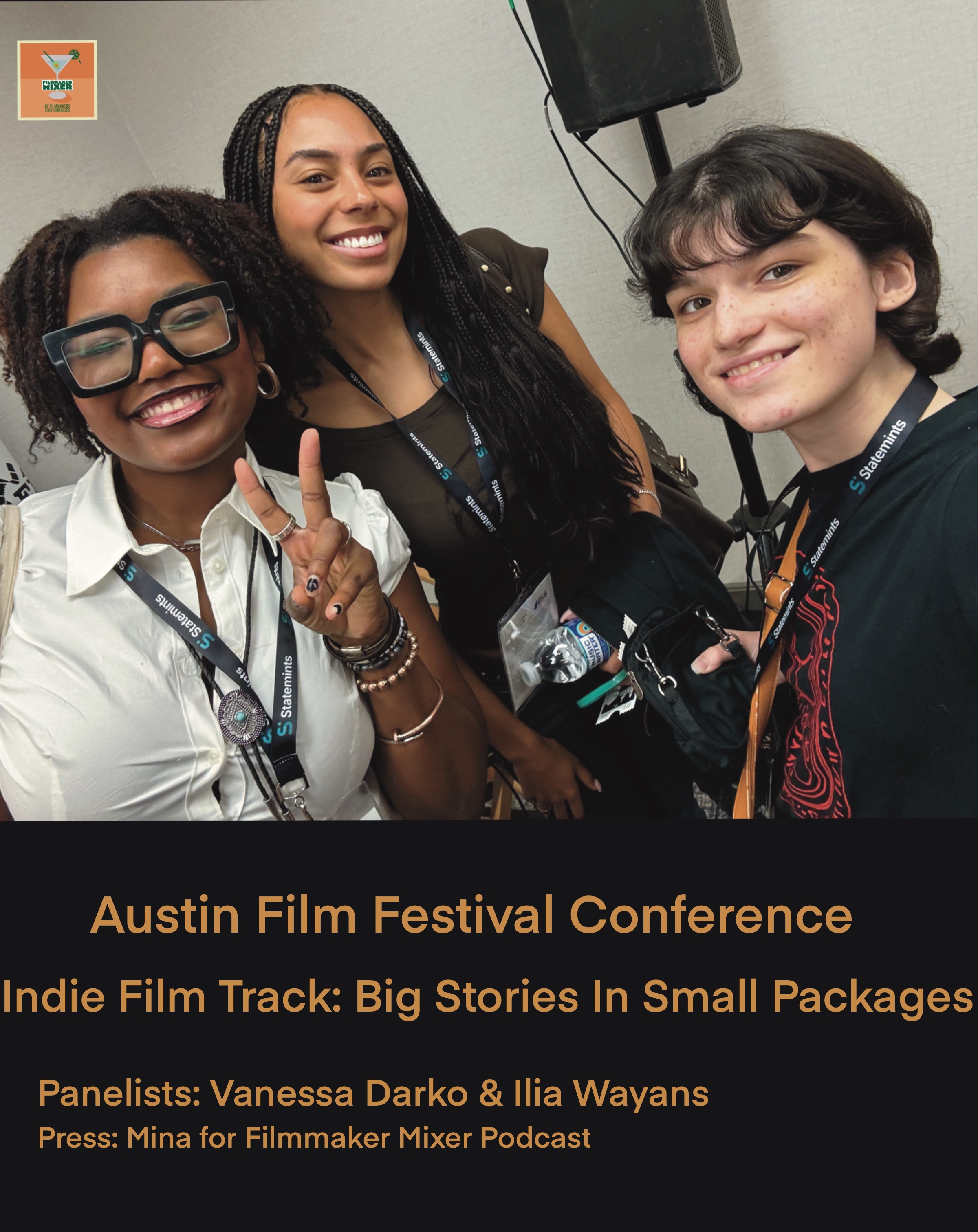
Indie Film Track: Big Stories in Small Packages
This panel kicked off with all the guests discussing their ideation process. Within their narrative approach, real life was the greatest source of inspiration. Especially with a focus on moments when working on indie shorts. Panelist Ilia Wayans noted how important it is to “find where the story lives” and to develop those ideas. When creating shorts, it’s vital to set up the buildup to this “moment” and then explore the consequences of it. Alternatively, a film idea could come from a vague image in your mind. Perhaps a shot that you as a film maker want to create a story around. “Like playing an accordion” as panelist Ari Shapiro said. Which is to start with something big and broad that you then implement more specific element into that initial big idea.
The following discussion during this panel was around balancing the personal story and entertainment aspect of your film. Ari noted how film makers are “scientists of emotion” who urge the audience to think about or question elements of the film in order to create engagement with the piece. Creating a personal story is going to resonate with the creator but if you are willing to share a vulnerable story then other people will find meaning in it too. Personal is universal.
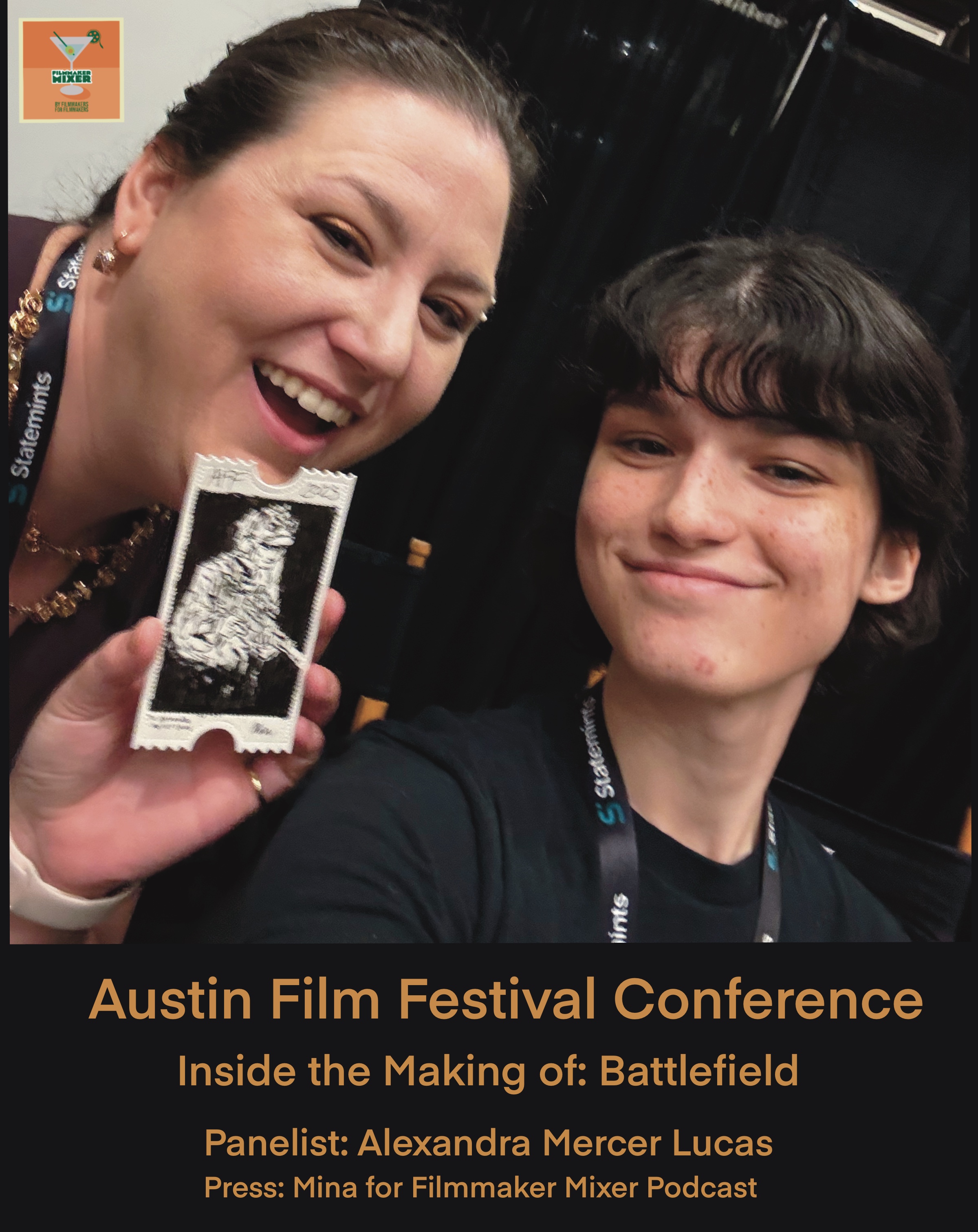
The Making of Battlefield.
This was a panel I was particularly looking forward to given my interest in video game development. The writers went in-depth on writing for triple-A studio games and the limitations it can have on writers. When coming into an established series, writers have to find a way to fit into an existing narrative that works with the studio’s guidelines while also doing their best to personalize the narrative. Being a triple-A game writer requires flexibility and willingness to apply notes that the studio presses for even if you aren’t too confident in certain feedback. It is all about being professional. The panelists noted how important it is to understand the reasoning behind certain feedback. Even if you disagree with a certain note, the person who gave it saw something that you may need to reflect more on. Despite these possible limitations, personal expression can exist in the characters and the events they experience. Alongside that, the fast-paced development of games like Battlefield mean writers may develop the script concurrently with the rest of the game’s development. Meaning feedback cannot always be applied because production has moved past the scene the writer’s were editing. So they simply just have to keep rolling with the punches.
At the end of the panel, the writers gave a quick handful of critical things to remember if you want to become a game writer:
⁃ strategize where you want to end up and do all you can now to reach it.
⁃ Network
⁃ Dedicated yourself to the craft. The more you commit the better you will become.
⁃ Value community and feedback
⁃ Be open-minded
⁃ Trust your instincts
And finally, and perhaps most importantly, be the best you can be.
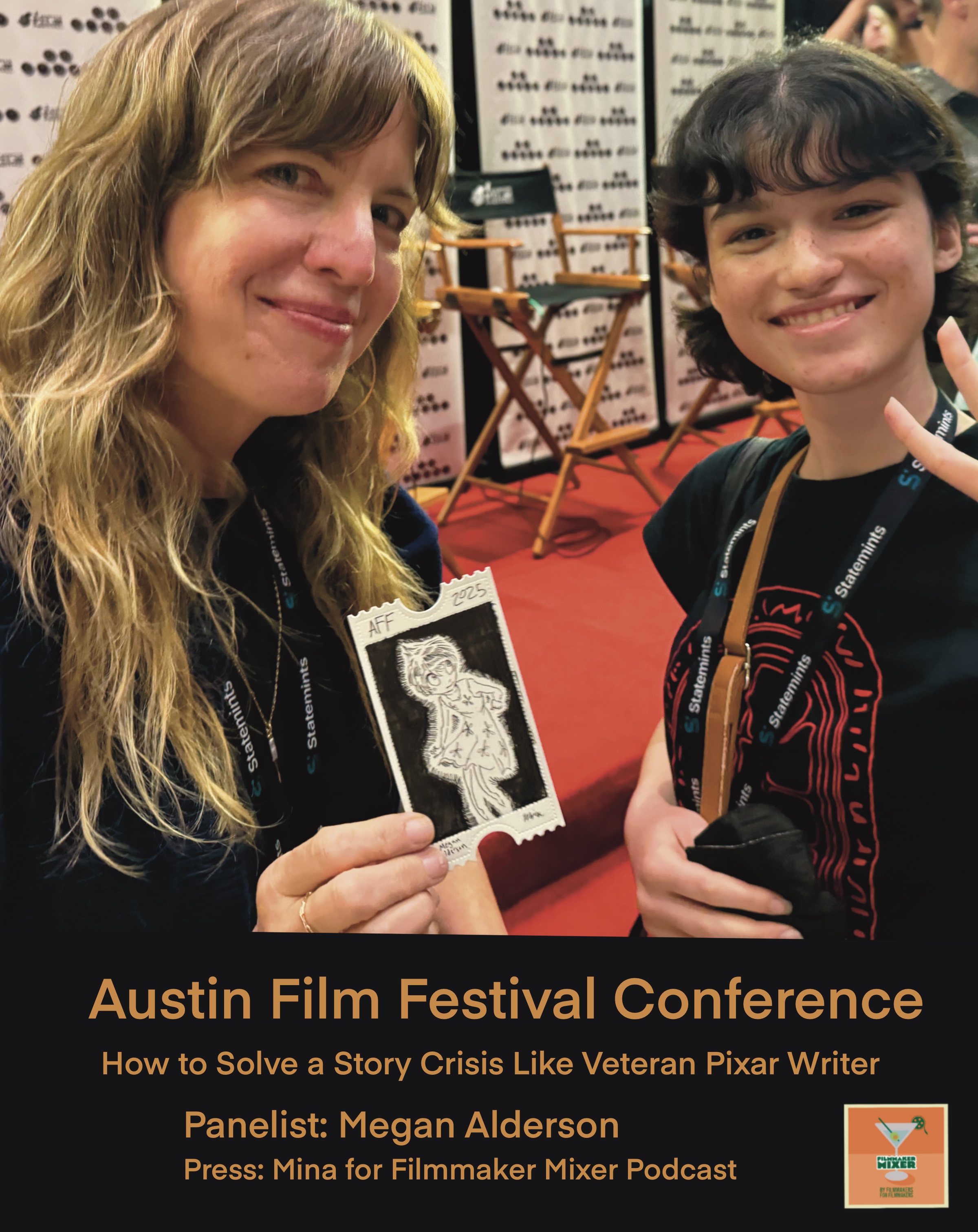
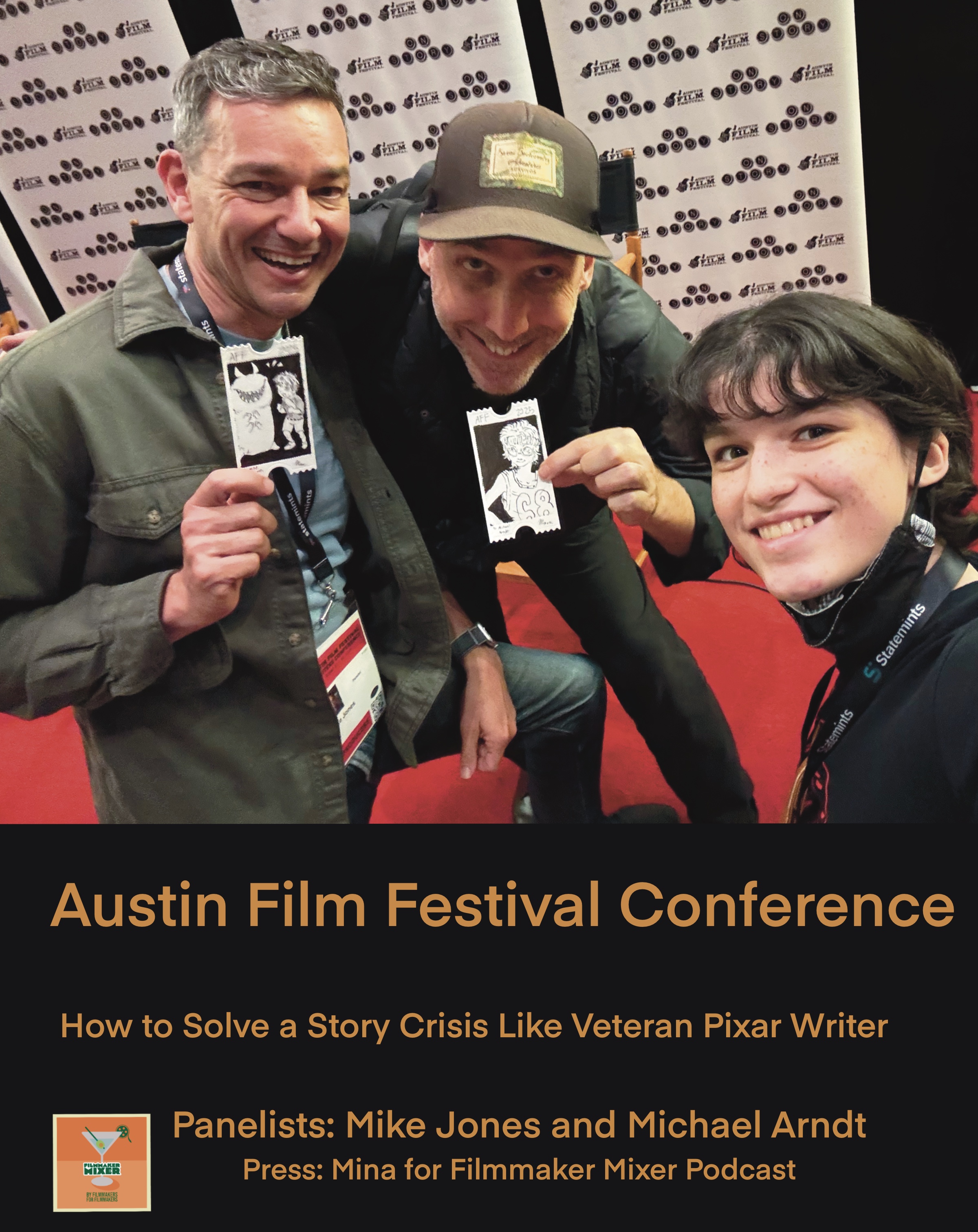
How to Solve a Story Crisis like a Veteran Pixar Writer
Somehow, I was incredibly surprised by the line wrapping around the venue for this panel. Of course this would be highly anticipated! It’s Pixar! The biggest take away I got from this panel was emphasis on the process of writing. Mike Jones and Michael Arndt made great emphasis on the amount of drafts and redrafting of films they have created until they found something that worked. But when judging these drafts they keep in mind the stage the script is at and tackle one plot problem at a time. Each draft continues to fix things one-by-one. Sometimes figuring out how to fix your story requires stepping back and remembering there could be one simple idea that could reshape everything, it just may take some time to come.
Something else I found incredibly important is their conversation on building your own brain trust. Pixar’s story process leans heavily on constant collaboration and feedback, but as an individual who is not at Pixar… how do you achieve the same quality process? Firstly the process can be broken down into 3 parts: brainstorm, execute, and revise. But these steps are not all done in solitude. But what if you’re stuck thinking on these steps and struggling to get ideas? Well, according to Arndt, you just need to find somebody to talk your ideas with and as you speak, new ideas will form! And it can be anybody you talk to, it does not need to be a season pro. He described how only one part of the process is really solitary, and that’s the execution. With your friend you can get these ideas, take their criticisms, and then apply everything you gained from the conversation. To me, this shows how art is collaborative at its best. Even if it’s from a simple yap session.
By Mina, Assistant Editor, Filmmaker Mixer Podcast (published by Filmmaker Mixer)