

And so the festival continues! Today I was booked with schedules all about writing, specifically on games. Here are the biggest talking points of each panel.
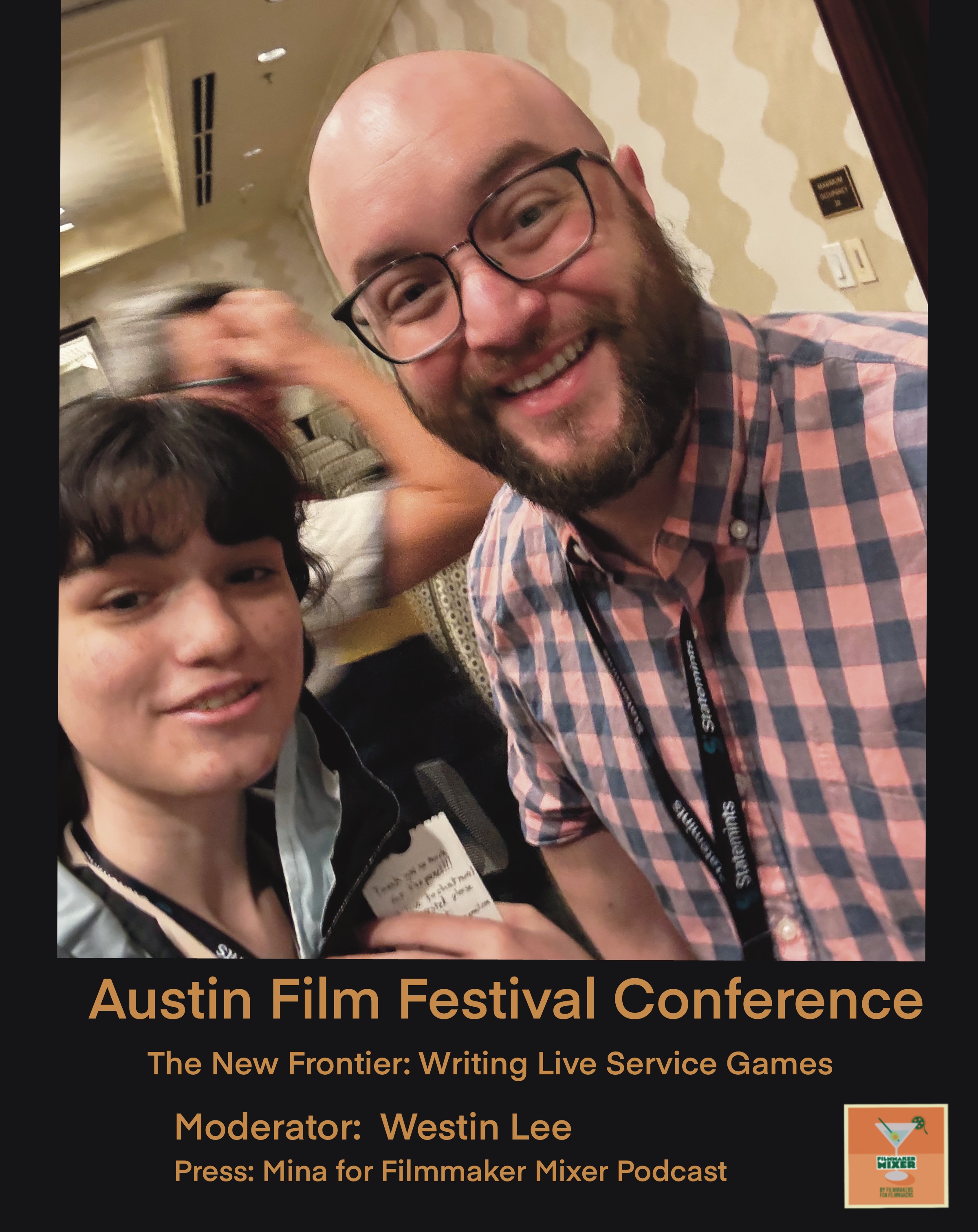
The New Frontier: Writing Live Service Games
As an avid Final Fantasy 14 player, I was particularly looking forward to this panel and seeing the process behind writing other kinds of live service games. Considering the constant stream of updates, I couldn’t help but imagine how tight and cut-throat of a process it can be. Of course the processes will vary per game. The panelist all described how much planning ahead is involved when creating for constant updates. However, with the short turnaround time, the writers must be adaptable and work to make things fit despite constant changes. All three panelists remarked how having some kind of background in improv or acting is incredibly useful when dealing with unexpected events in the development process that amplify the stress of the tight deadlines.
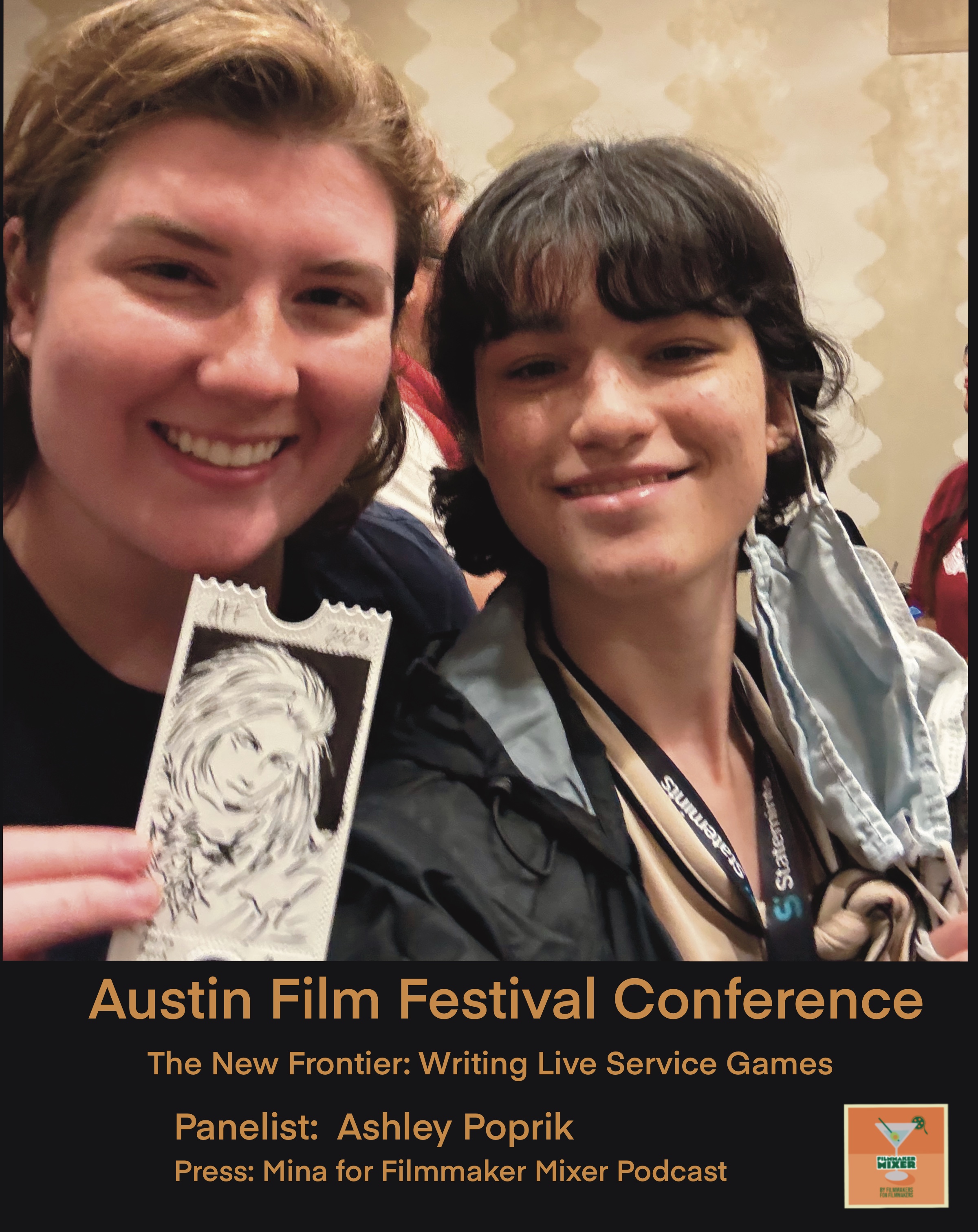
Another thing I found interesting is how these game scripts are written in spreadsheets like excel. This format makes it easier for the programmers to drop the dialogue into the game as needed. Much of a game writer’s duties revolve around working with other departments like game design in order to smoothly implement the narrative into the gameplay. When writing for a live game too, player feedback will be more immediate since the game regularly releases content. Keeping up with the player’s emotions about the content is vital to building a strong game and narrative. As a live game writer, there is an understanding on how important it is to make the players feel seen and respected by the developers. I find that all of this reveals the amount of juggling between internal relationships and player relationships game writers must manage to deliver a satisfying experience.
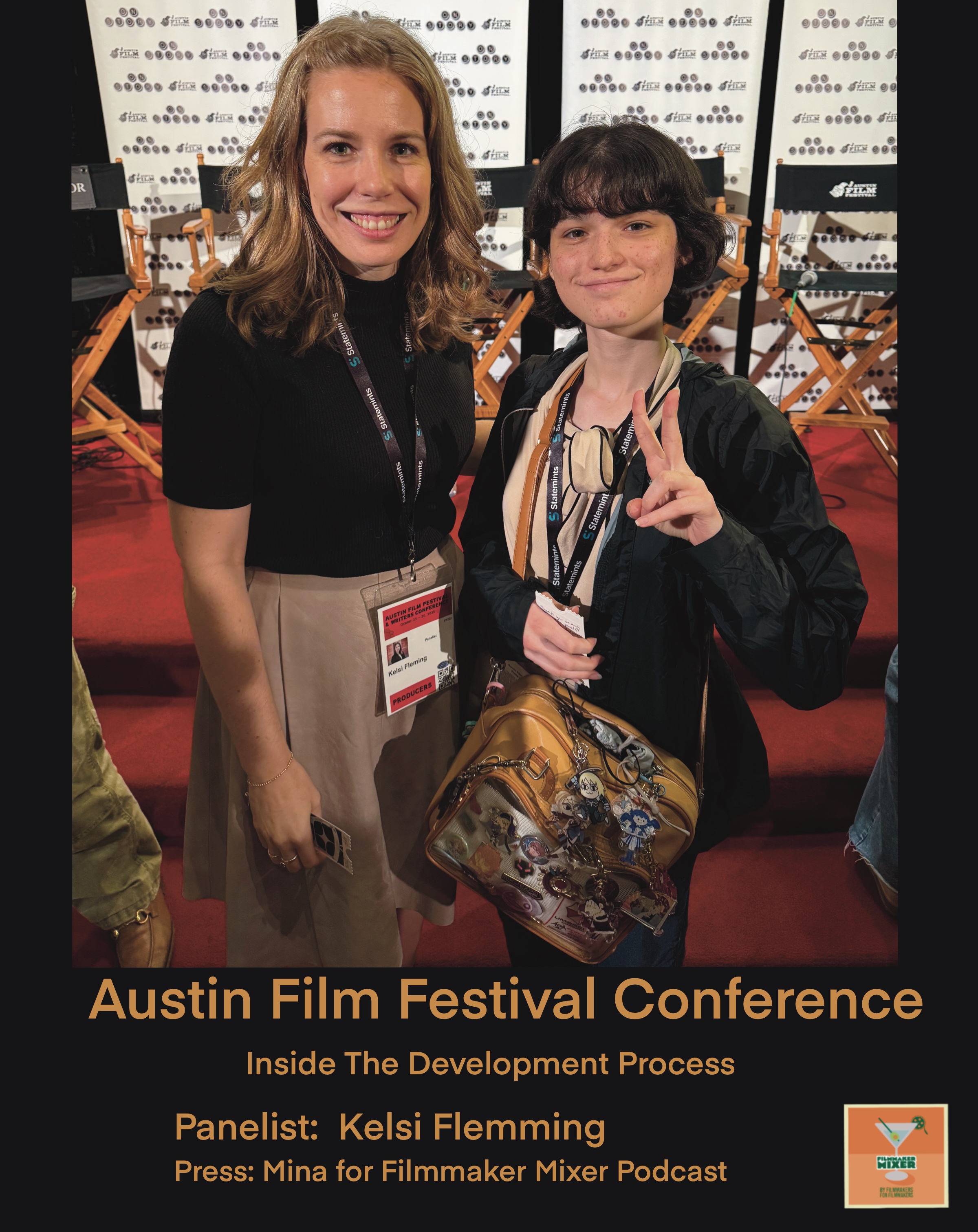
Inside the Development Process
This panel was a bit different from the rest of my game-focused selection. Here producers talked about what they look for in scripts and what it’s like to search for these people. Throughout the entire conversation, the key concept was quality characters. As these producers read script after script, if they can’t be invested in the cast then they may put the script down. They want these to be characters who will evolve and change, who could possibly become iconic. Between all the producers they give a script around 20 pages to grab their attention before moving on. They want to see a clear sense of character, theme, tone, and know who the audience this script is for. If there isn’t a strong sense of those concepts… your script may be swept aside…
The producers also stressed how important it is for writers to bring “good vibes” to the team they’ve been put on. Producers want people who can support and get along with the rest of their team and power through tough feedback. I have really began to notice this pattern on how critical feedback is to all these professionals -specifically with regard to how you apply the feedback and react to it. Long story short: you can’t be a writer without some incredibly strong backbone.
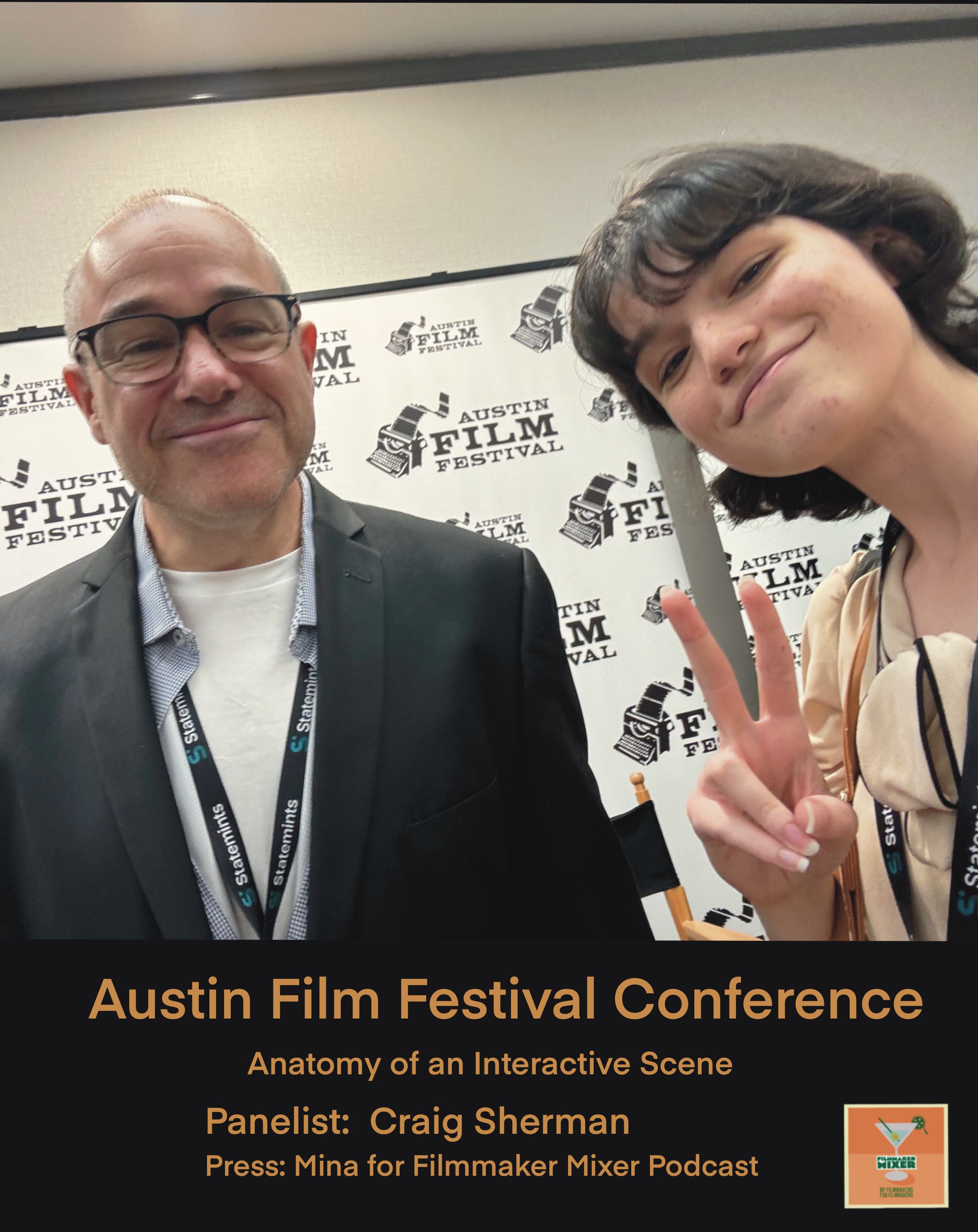
Anatomy of an Interactive Scene
Dialogue. This panel could not stress enough the importance of dialogue in writing for video games. The narrative of a game is going to be designed around its gameplay so much of its story will likely be delivered through conversations concurrent with the game’s actions.
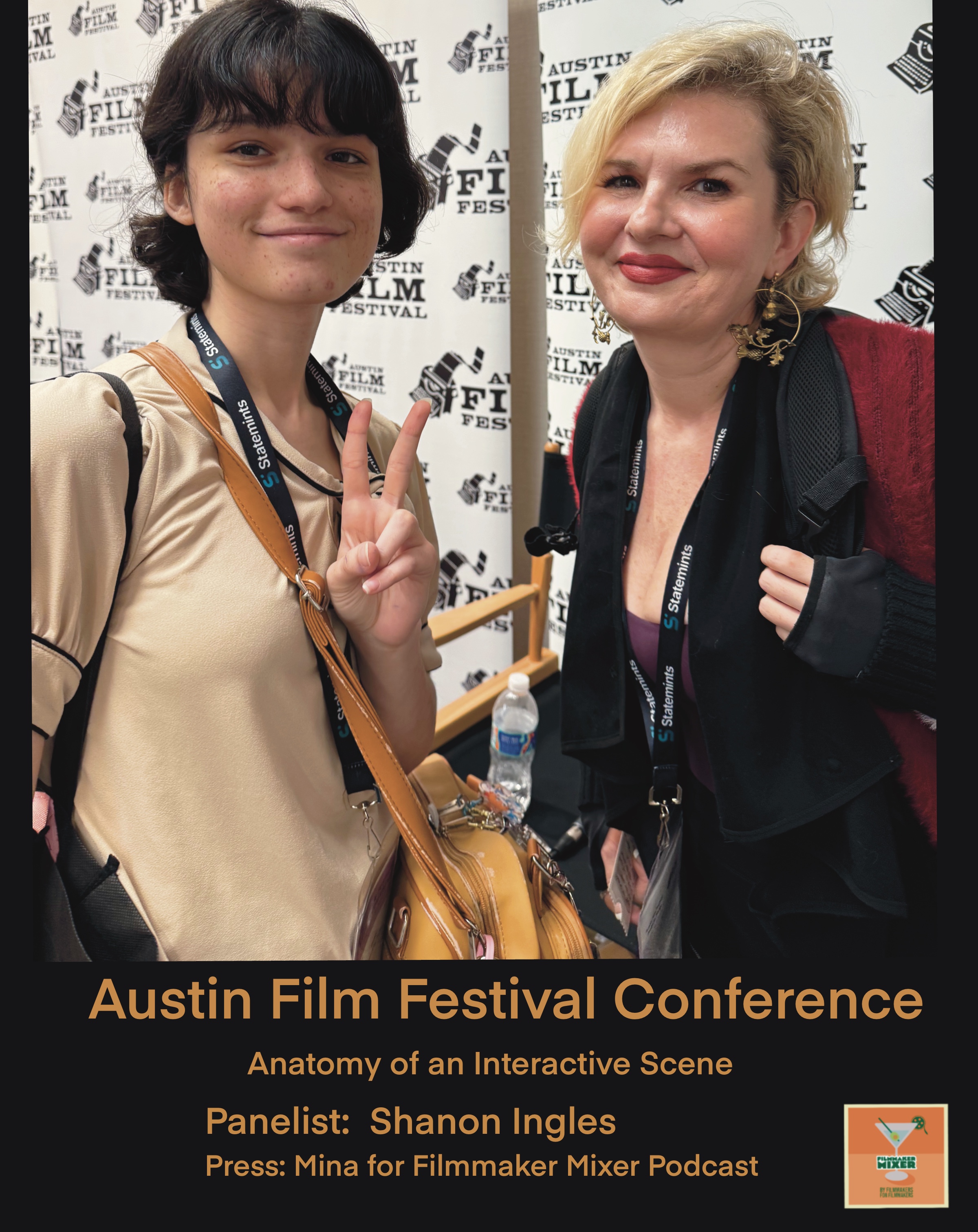
Shanon Ingles (pictured below) previously wrote for telltale, a studio known for its choice-driven games, emphasized how important it is for players to navigate conflict in these in-game conversations. The dialogue choices available need to balance positive and negative consequences. It’s all about giving the player power in these scenes and on-screen interactions and forcing them to face interesting situations. Of course, when writing these dialogue options in a roleplaying game, players want to see their choice have impact. If they make their character say something crazy and nothing happens despite it then they will put the game down. Despite giving various choices, writers can still work towards the same ending. These different possible dialogue choices should reveal different things as a response to what was said.
Near the end of the panel, the panelists discussed how to become successful as a game writer. When it comes to just generally applying, don’t show off massive scripts, just give snippets of your best parts. Write an interactive scene even with all the branching dialogue pathways! Consider how external and internal motivations can be at odds with each other to make the players feel the same moral dilemma.
By Mina, Assistant Editor, Filmmaker Mixer Podcast (posted by Filmmaker Mixer)